Frontier · 2018
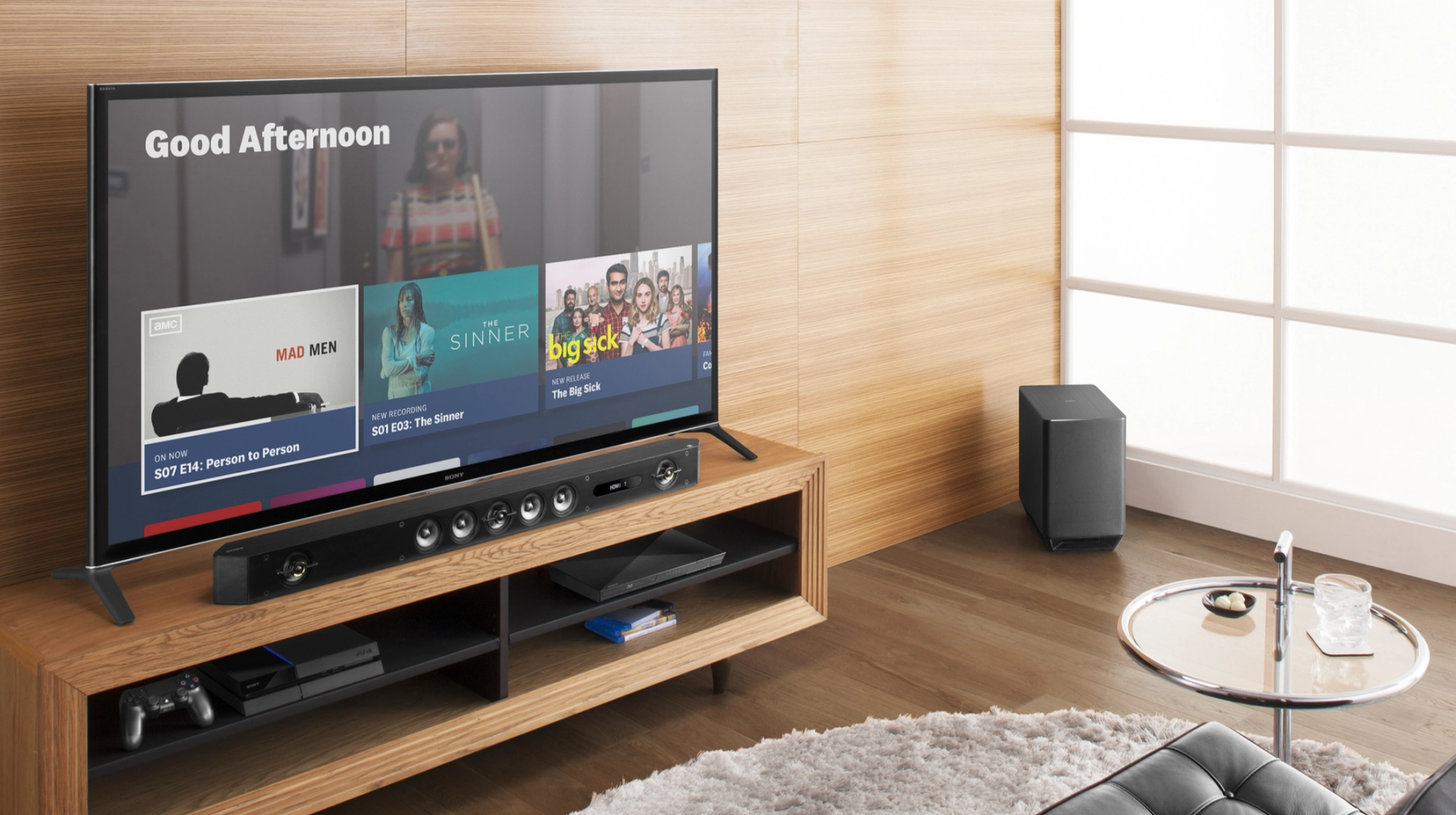
The future of "TV"
Overview
A series of concepts that aim to solve for the changing ways consumers access entertainment.
Outcome
An eight-year-old research bet that still checks out: the shift this called in 2018 is exactly the one that happened.

- Stakeholder interviews
- 10
- User interviews
- 10
- Contextual inquiries
- 8
- Survey Respondents
- 750
- Wireframes
- 95+
Process
Discovery & Primary Research
The team engaged our client stakeholders through a series of interviews utilizing a stakeholder interview protocol, ensuring their line of questioning was consistent throughout.
Using the information gathered during this initial phase of discovery the team created research plans for three subsequent endeavors:
- Competitive and comparative analysis; what competitors are currently doing and from which comparable consumer experiences we could take cues.
- Contextual inquiries;the team visited eight people in their homes to observe and document how they consume video content.
- User evaluative interviews; further honing in on the insights gathered from the contextual inquiries, the team conducted one-hour interviews with a representative sample of an additional ten people to evaluate early-stage concepts.
Deliverables
Wireframes
Home - Primary row
Home - Secondary & Tertiary rows
Full Gamut of the Experience
Mobile form factor
Motion: Orientation
Our approach to enhancing user interaction through motion design involved initially exploring various low-fidelity motion compositions. This phase allowed us to experiment with diverse methods to intuitively guide users through the interface, ensuring a seamless navigational experience.
Across the interface, motion carried the load of orientation — hover-to-play previews, category transitions, and reveal animations all signal where a user is and what they can do next, without a single explanatory label.
Detailed Viewing Strategy
Complementing a robust set of detailed designs across a wide array of interfaces (TV, Web, Mobile Apps) the team defined strategies for which content should be prioritized based on the users' context — such as time of day. This armed our client with the tactical insights they needed to implement our strategic design decisions based on the primary design research.