New Mexico Health and Human Services Department (HSD) · 2020
Future-state Vision for a New Contact Center
Overview
An interactive blueprint — shipped as a clickable microsite, not a poster — giving the New Mexico Health and Human Services Department actionable, prioritized recommendations for standing up a contact center that works for every resident, including its historically underserved Native American communities.
Outcome
The engagement's afterlife is the real proof point: a strategy piece that outlived the deck it shipped in, still steering HSD's roadmap today.

- Customer and Proxy Interviews
- 12
- CSRs shadowed
- 28
- Observations synthesized
- 486
- Journey steps blueprinted
- 26
Process
Research on three fronts
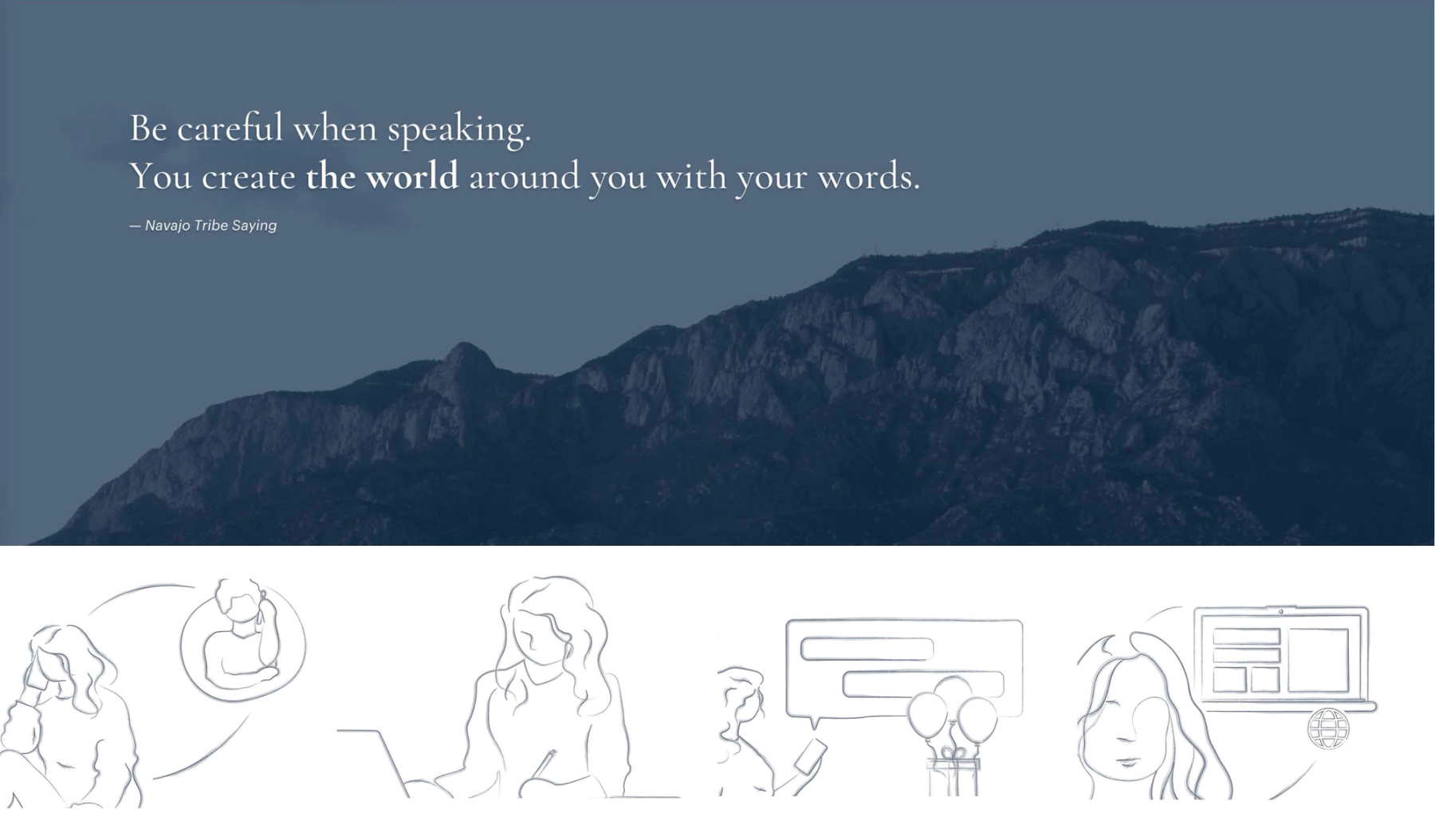
The team ran stakeholder interviews to surface business requirements and success metrics; in-depth interviews with six customers and six customer proxies to hear first-hand call center experiences; and immersion in the call centers themselves — shadowing 28 CSRs at their desks and moderating three focus groups with CSRs, supervisors, and managers.
"I think the trainers or whoever is facilitating that training, they need to come sit with the agents… right now you're just reading off the paper and it doesn't work."
— Call Center Manager
Six pillars, not sixty findings
Synthesis kept surfacing the same six themes, which we hardened into design pillars:
- Communication is Key
- Empathy as an Operational Foundation
- Rethink the Red Tape
- Productivity is Dependent on Technology
- Data Drives Strategy
- Training as an Evolution of People & Experiences.
Every recommendation in the final blueprint traces back to one of these pillars — the connective tissue between what we heard and what we proposed.
Co-creation in Santa Fe
I facilitated a two-day human-centered design workshop with HSD leadership and division members. Concept cards let participants pick their own adventure: an Archetype card (a research-derived customer), an Action card (what they need to accomplish), and a Complication card (a real insight from the field) — a scenario the group had to solve together. The outputs validated the pillars, pressure-tested the north-star vision, and fed directly into the blueprint and operating model.
Deliverables
A blueprint you click, not unroll
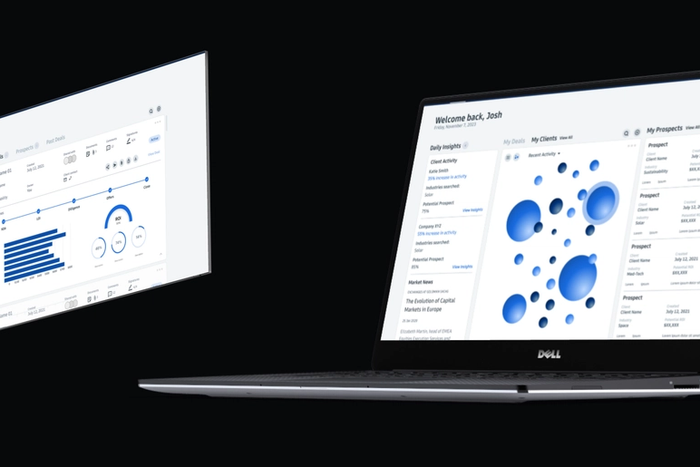
The future state shipped as an interactive microsite. The customer journey unfolds across five phases — Entice, Enter, Engage, Extend, Exit — told through Winona, a composite persona grounded in our research: a mother of two supporting a dependent father who speaks only Navajo.
Traditional future-state journey maps have a diminishing return: the novelty has worn off, they're hard to read, and clients don't use them. So we stopped making them.
Both sides of the counter
Each step tracks the emotions of the customer and the CSR — a contact center only works when it works for the people answering the phones, so the service is designed for both.
Value ÷ effort, per recommendation
Every step carries an implementation assessment scoring value against effort, turning a vision document into a prioritization tool the client could sequence roadmap decisions with.
Equity as requirements, not sentiment
The blueprint specifies Navajo (Athabaskan) translation on the portal and IVR, multilingual CSRs tagged in the routing system and protected in schedule rotation, WCAG compliance, and low-bandwidth performance for rural coverage — the difference between claiming "equitable for all residents" and speccing it.
Beyond the blueprint
The microsite bundled the full engagement: an editable spreadsheet version of the blueprint (built to evolve after we left), the CCSC operating model — organization design, governance, service catalog, KPIs — the research readout, and the workshop synthesis. Recommendations were tracked forward in the client's Continuous Improvement Plan.